Choose direct-vent when you can run a vent through a wall or roof and want room air left untouched. Choose vent-free only where local code allows it, for a room large enough for its BTU rating, and with the oxygen-depletion sensor and room-size limits in its manual.
How each one breathes
A direct-vent gas stove or fireplace is sealed from the room. A two-layer (co-axial) pipe brings outdoor air in through one channel and sends exhaust out through the other, so the fire never uses the air you breathe and its combustion products leave the house. It needs a wall or roof penetration where the manual allows.
A vent-free (also called ventless or unvented) unit has no pipe at all. It burns room air and releases its combustion products, including water vapour, into the room. Makers fit an oxygen-depletion sensor (ODS) that shuts the burner off if oxygen in the room drops, and their manuals set a minimum room size for each BTU rating and often an altitude limit.
Side by side
| Vent-free | Direct-vent | |
|---|---|---|
| Combustion air | Room air | Outdoor air through the sealed vent |
| Exhaust | Into the room | Outdoors |
| Installation | No vent; a gas line and a wall or hearth | Gas line plus a wall or roof vent |
| Heat delivered | Nearly all the burner's heat stays in the room | Some heat leaves with the exhaust |
| Moisture | Adds water vapour to the room | None added |
| Code status | Restricted or banned in some places | Broadly allowed |
Because nothing goes up a chimney, vent-free units put almost all their heat into the room, which is why they're popular as supplemental heat. The trade-offs are the moisture and combustion products they leave indoors, and the code limits that come with them.
Sizing a vent-free unit to the room
Vent-free makers state a minimum room volume or floor area for each model, tied to its BTU input, and many sell the same stove in two burner sizes. The room size in the manual is a requirement, not a suggestion: bigger burners need bigger rooms. Bedrooms and bathrooms are typically excluded or limited to very small units, and some jurisdictions prohibit vent-free appliances outright. Check with your local building department before buying.
Vent-free stoves and fireplaces in our catalog: Monessen ACUF36-BD Vent-Free Gas Fireplace, Bluegrass Living BVFIL48NRT Natural Gas Vent-Free Gas Fireplace and Ashley Hearth AGVF340LP Propane Vent-Free Gas Fireplace. Each product page shows the maker's BTU rating, fuel and the heating area it states.
Natural gas, propane and dual fuel
Every gas heater is built or set for a fuel. Natural gas units run on utility gas; propane (LP) units need a tank and regulator; dual-fuel units switch between the two with a valve or kit described in the manual. Never connect a heater to a fuel it isn't set for. Listings state the fuel, and our tables show it beside the BTU figure.
Safety either way
NFPA advises that chimneys and heating systems be inspected and cleaned each year before they are fired up for the season. For gas units that means the burner, logs or ember bed, the vent (for direct-vent units) and the safety controls. Direct-vent stoves to compare: Duluth Forge FDF400T-ZC-R Gas Fireplace Insert and Duluth Forge FDI32R Gas Fireplace Insert.
Heaters in this guide
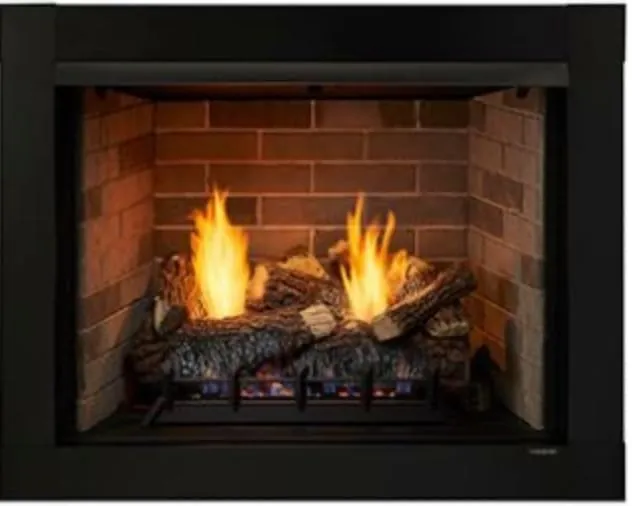
Monessen ACUF36-BD Vent-Free Gas Fireplace
40,000 BTU/h
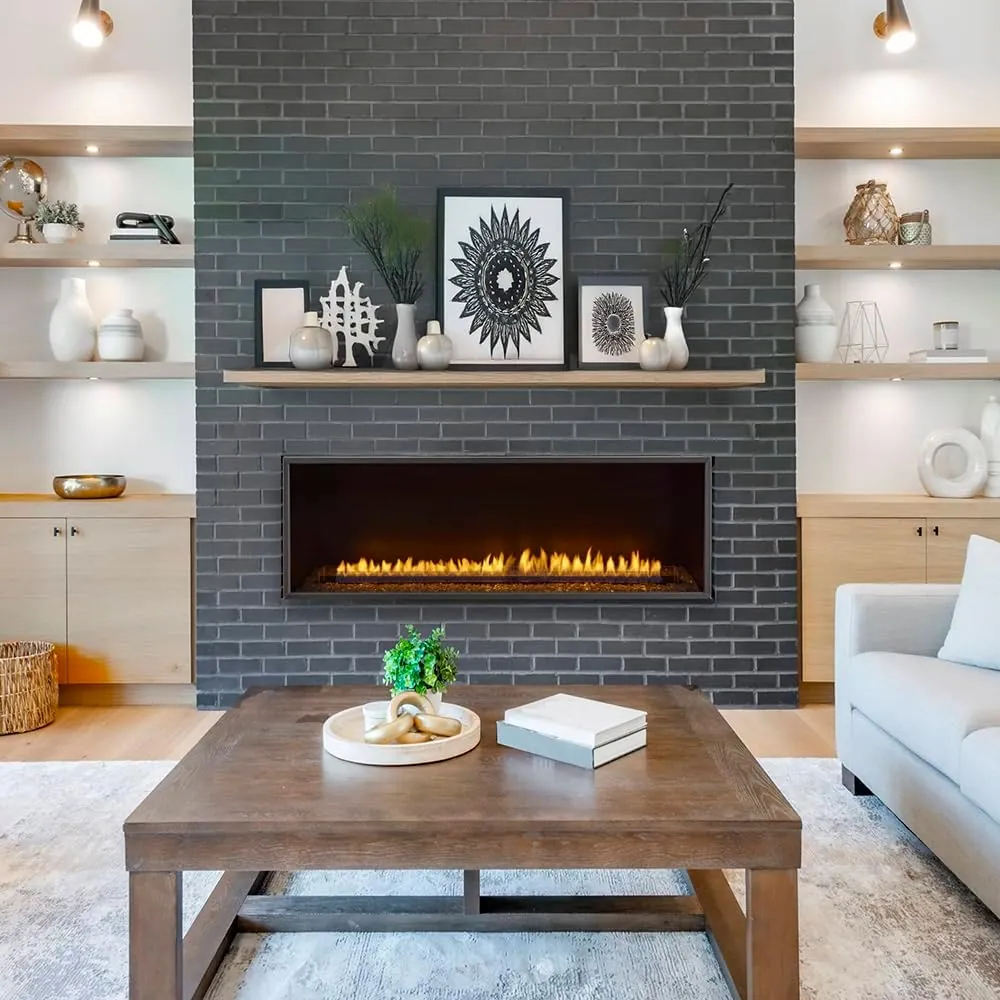
Bluegrass Living BVFIL48NRT Natural Gas Vent-Free Gas Fireplace
37,000 BTU/h
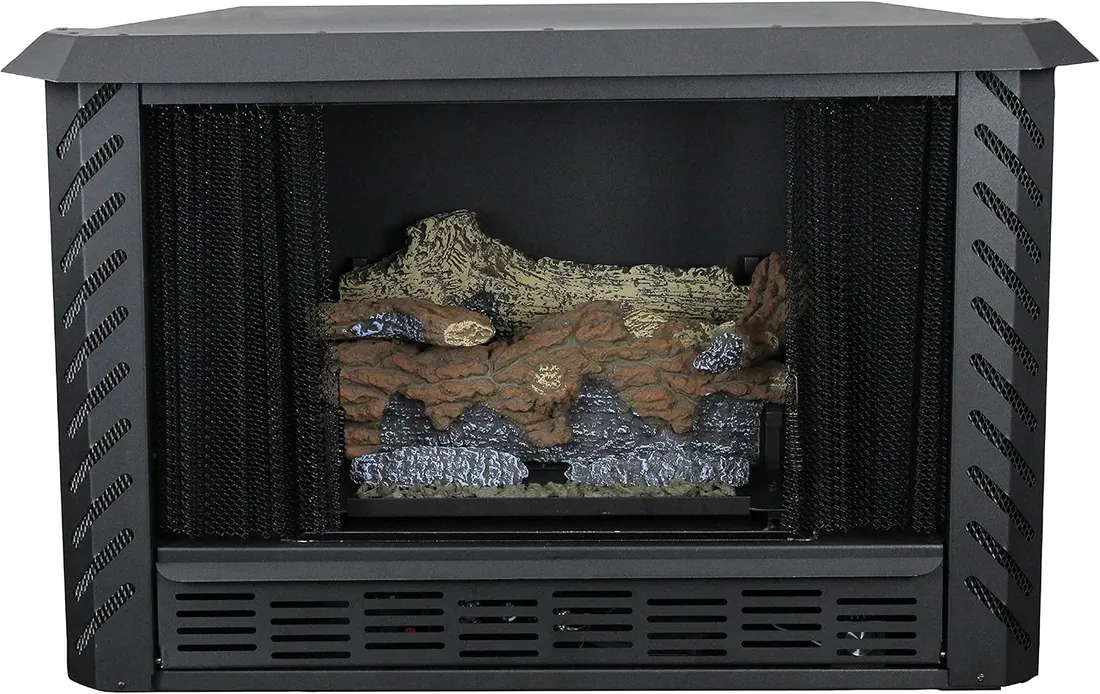
Ashley Hearth AGVF340LP Propane Vent-Free Gas Fireplace
1,200 sq ft · 34,000 BTU/h
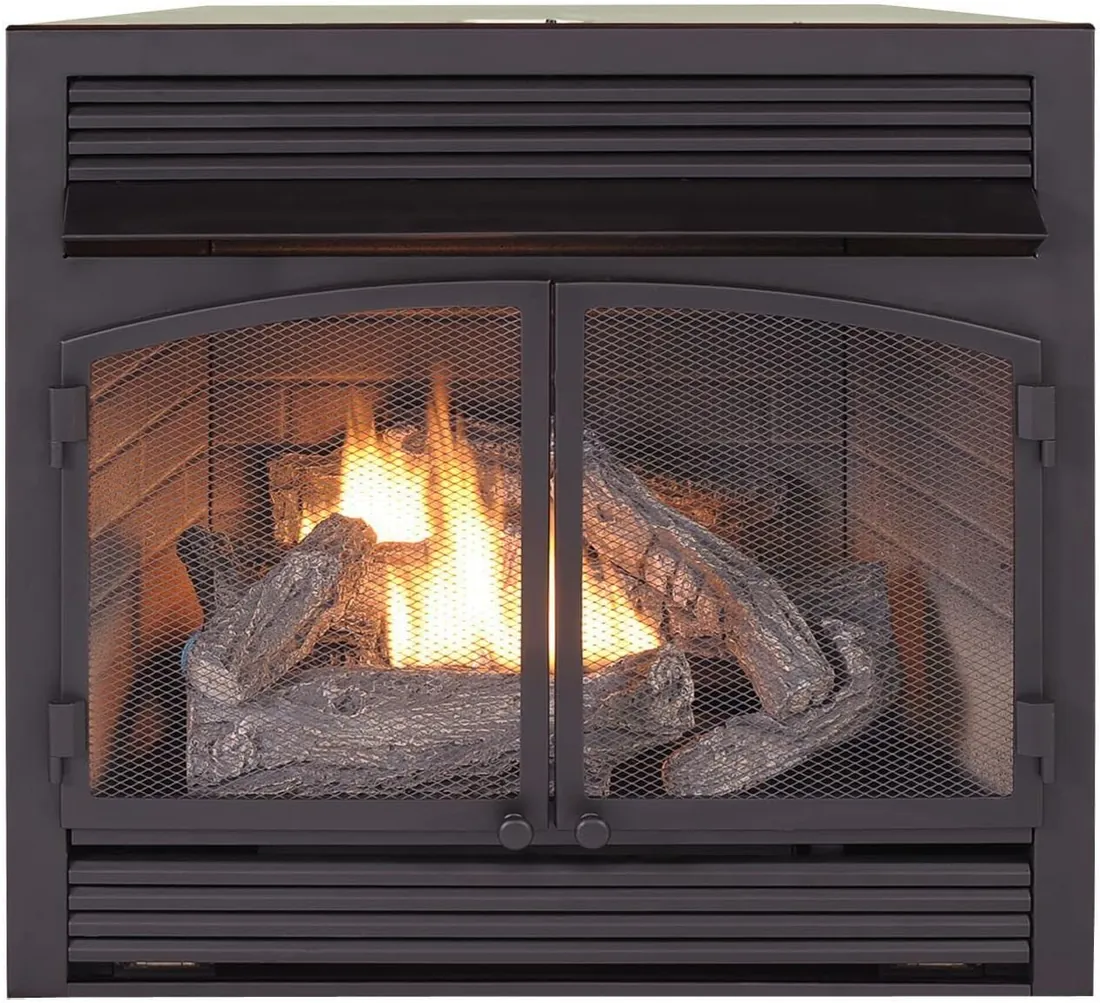
Duluth Forge FDF400T-ZC-R Gas Fireplace Insert
1,500 sq ft · 32,000 BTU/h
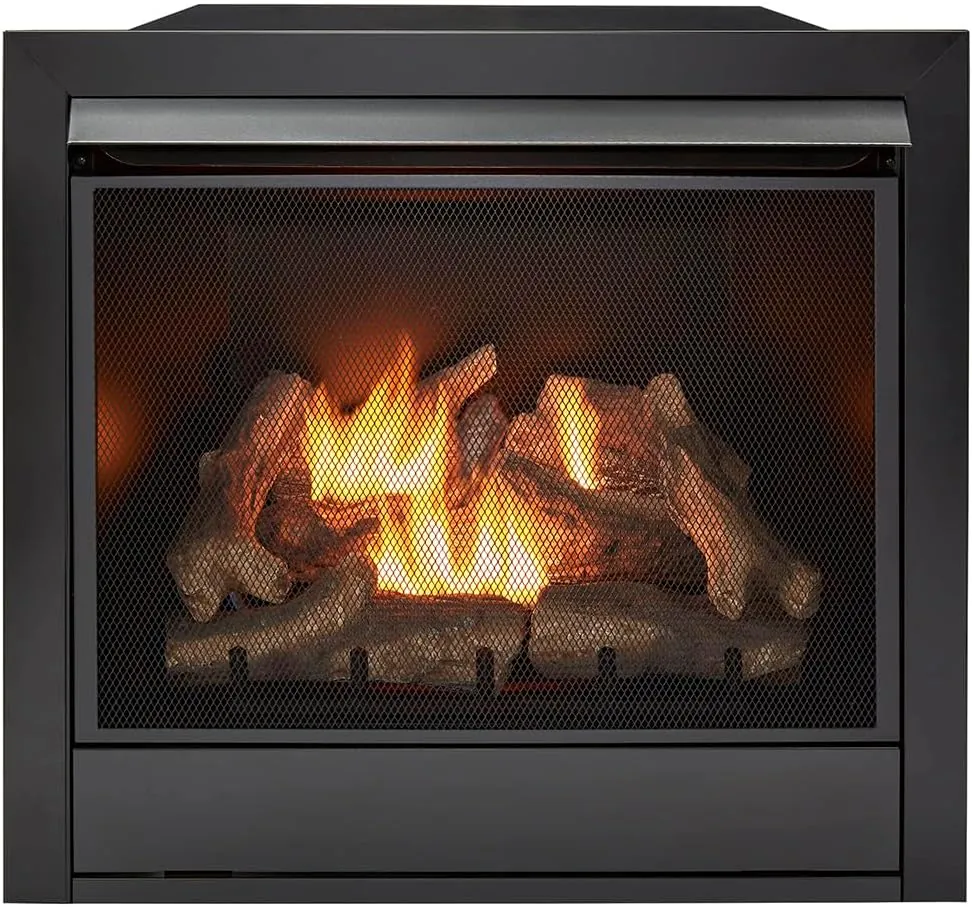
Duluth Forge FDI32R Gas Fireplace Insert
1,500 sq ft · 32,000 BTU/h