Dry wood is the single biggest factor in clean, hot burning. EPA's guidance: burn only dry, split, well-seasoned wood with a moisture content under 20 percent, season it at least six months, store it outdoors off the ground with only the top covered, and check it with a wood moisture meter before burning.
Why moisture matters
Freshly cut wood is heavy with water. Before it can burn, the fire has to boil that water off, which uses up heat that should be warming the room and cools the fire so it smoulders. A smouldering fire makes smoke, blackens the stove glass and leaves creosote in the chimney. That's why EPA puts wood moisture at the centre of its burning advice: wood burns best at a moisture content of less than 20 percent.
A new stove that meets EPA's 2.0 grams-per-hour limit only performs near that figure on dry fuel; wet wood makes even the cleanest stove smoky.
How long to season
EPA's minimum is six months of seasoning. Wood dries mostly through its cut ends and split faces, so split it before you stack it; rounds left whole dry far more slowly. Dense hardwoods generally take longer than softwoods to reach the same moisture, and a damp, shaded site takes longer than a sunny, windy one. Many owners buy or cut wood a full year ahead so it has a summer to dry.
EPA's tell-tale signs of seasoned wood: it's darker, weighs less, and sounds hollow when knocked against another piece. Cracks (checks) in the end grain are another sign it has been drying.
Storing firewood
- Stack it outdoors, off the ground, on rails, pallets or a rack, so it doesn't wick moisture.
- Cover only the top; EPA warns that covering the sides traps moisture.
- Leave gaps between rows so air moves through the stack.
- Bring a day or two's wood inside at a time; indoor storage of large amounts brings insects in.
Never burn household trash, cardboard, plastics, foam, coloured-ink paper, or painted or treated wood. EPA lists these among the materials that release harmful chemicals and damage stoves.
Checking with a moisture meter
A pin-type wood moisture meter takes the guesswork out. Split a piece from the middle of the stack and press the pins into the freshly split face, along the grain, rather than the weathered outside; the inside is where water hides. If it reads under 20 percent, it's ready. If it reads in the 25 to 30 percent range or higher, give it more time.
Log length and the firebox
Makers state the longest log a firebox takes. Cut or order wood a couple of inches shorter than that so logs load flat and don't press on the glass or door. Stoves in our catalog that take the longest logs: Ashley Hearth AW3200-P Wood Stove (22 in), Ashley Hearth AW2020-P 2,000 Sq Ft Wood Stove (21 in), Ashley Hearth AW2520E-P 2,500 Sq Ft Wood Stove (21 in), Comfort Glow CGWS2500 Wood Stove (21 in).
| Step | Target |
|---|---|
| Moisture | Under 20% (EPA) |
| Seasoning time | At least 6 months, split and stacked (EPA) |
| Storage | Off the ground, top covered, sides open (EPA) |
| Length | A couple of inches under the stove's maximum log length |
| Never burn | Trash, cardboard, plastics, painted or treated wood (EPA) |
Heaters in this guide
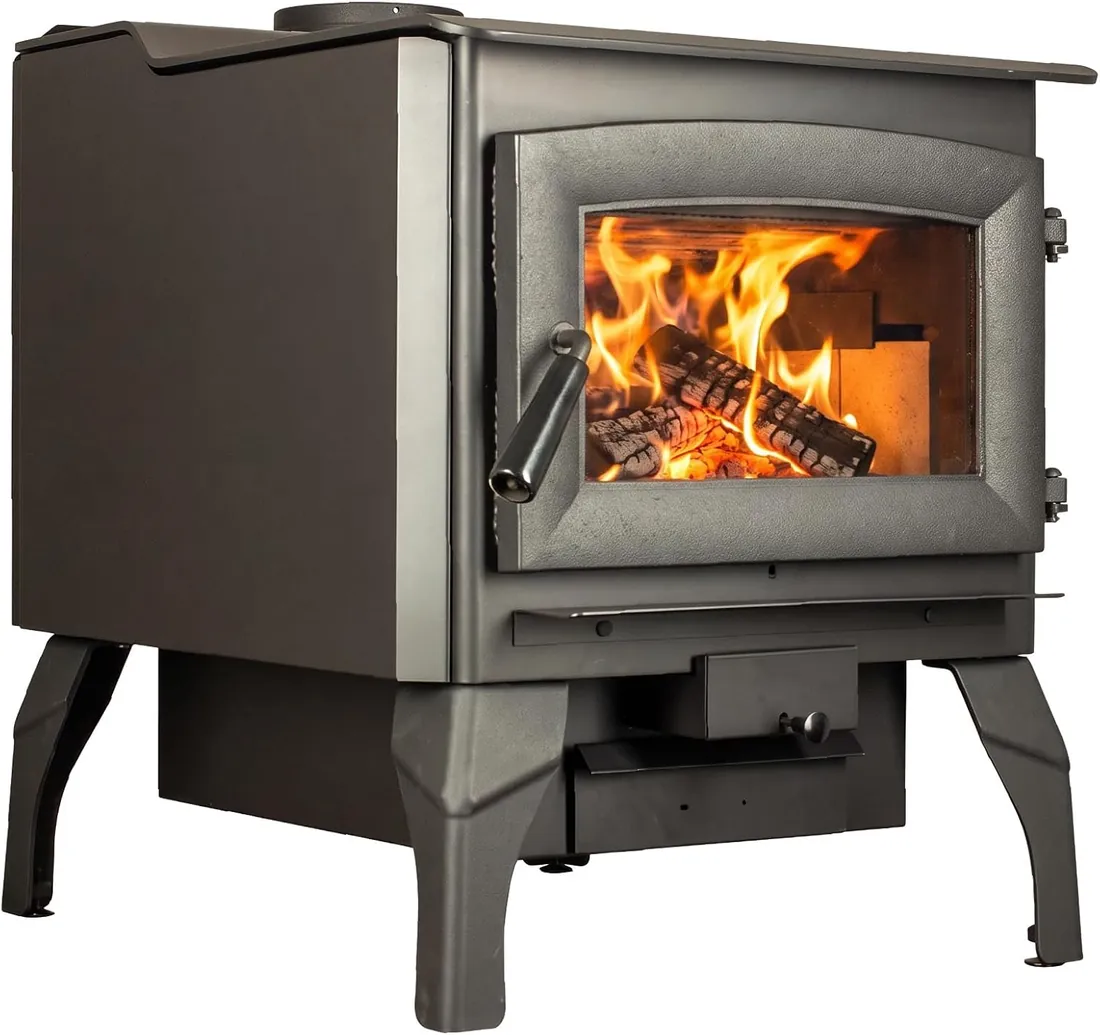
Ashley Hearth AW3200-P Wood Stove
3,200 sq ft · 152,000 BTU/h
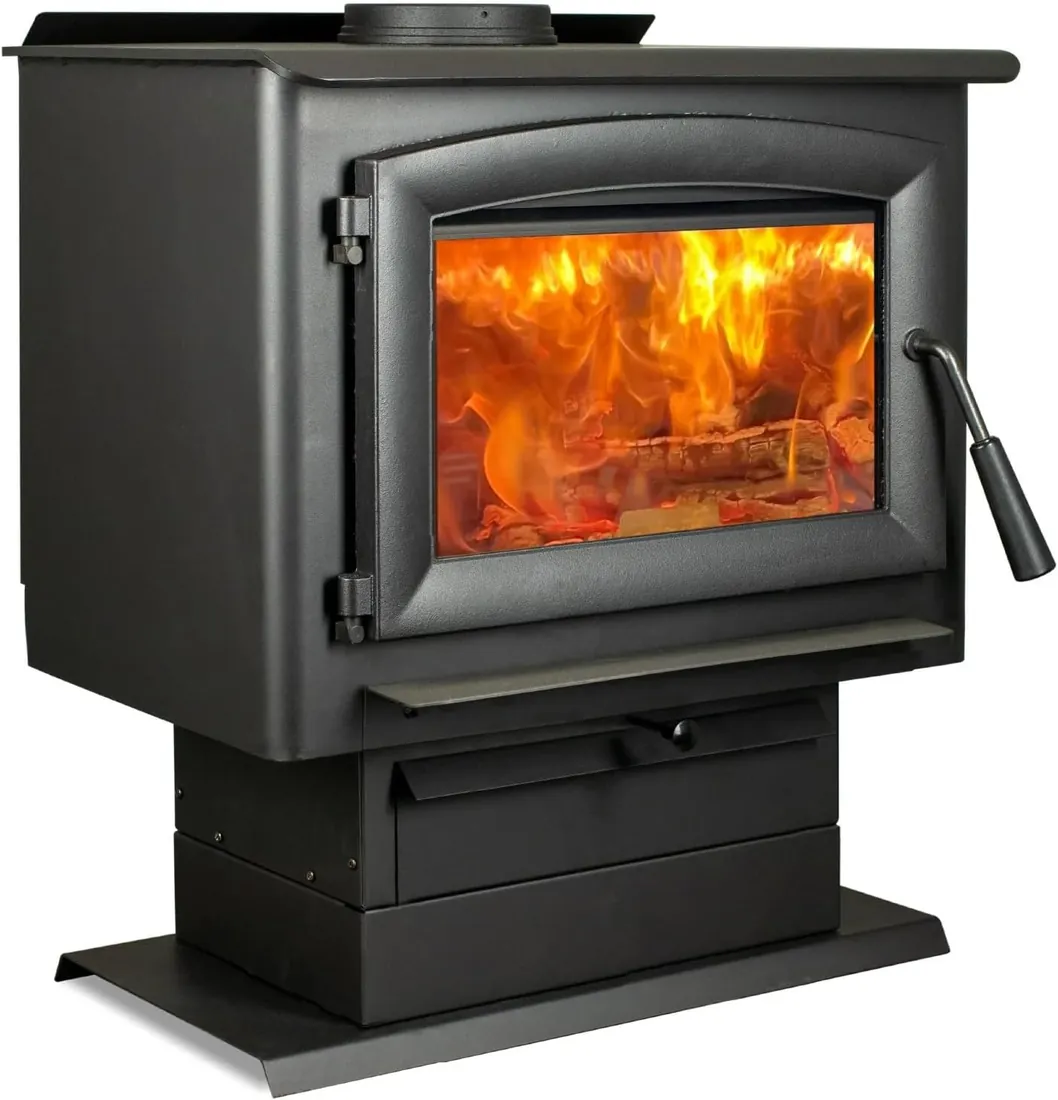
Ashley Hearth AW2020-P 2,000 Sq Ft Wood Stove
2,000 sq ft · 89,000 BTU/h
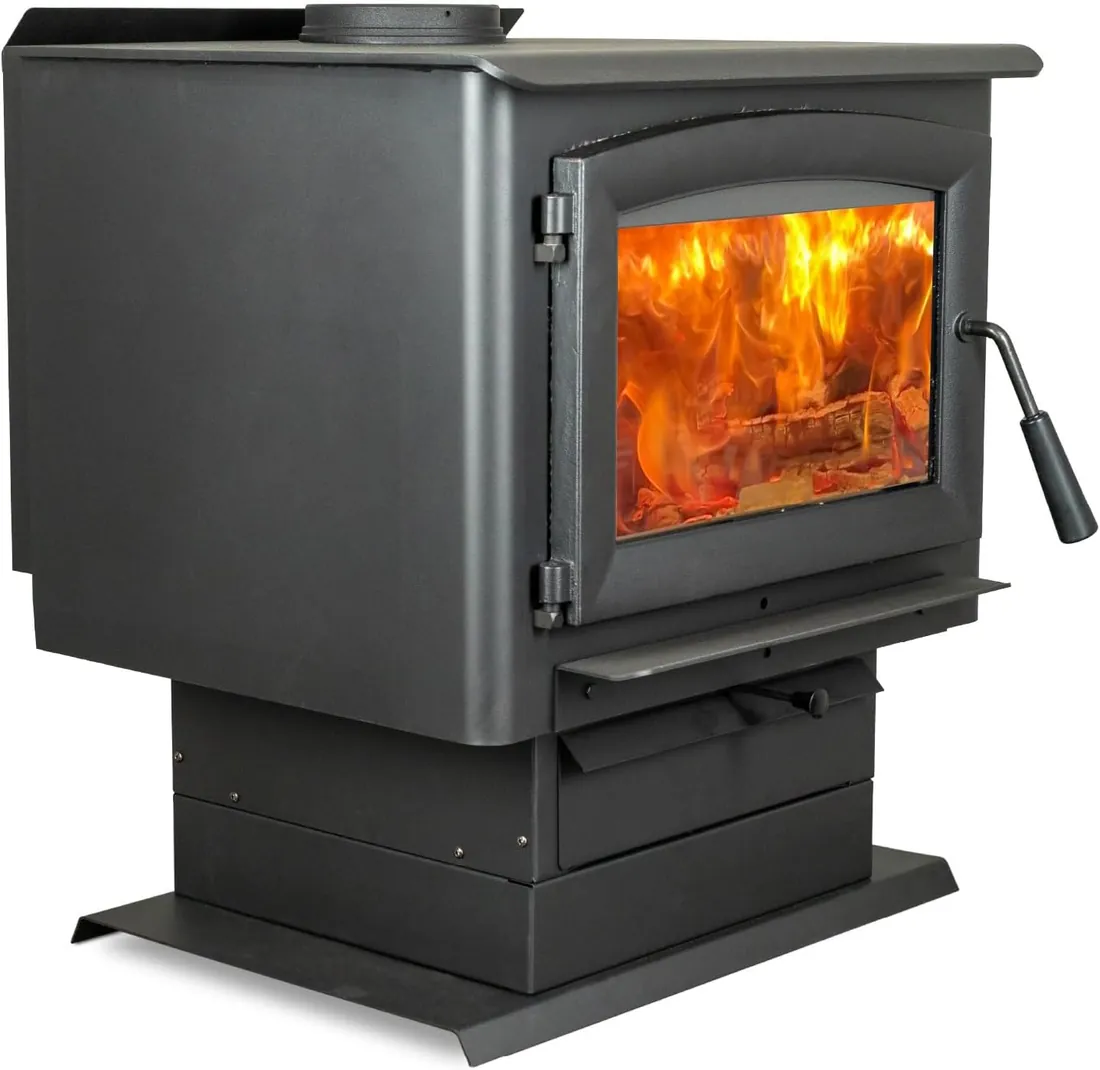
Ashley Hearth AW2520E-P 2,500 Sq Ft Wood Stove
2,500 sq ft · 112,800 BTU/h
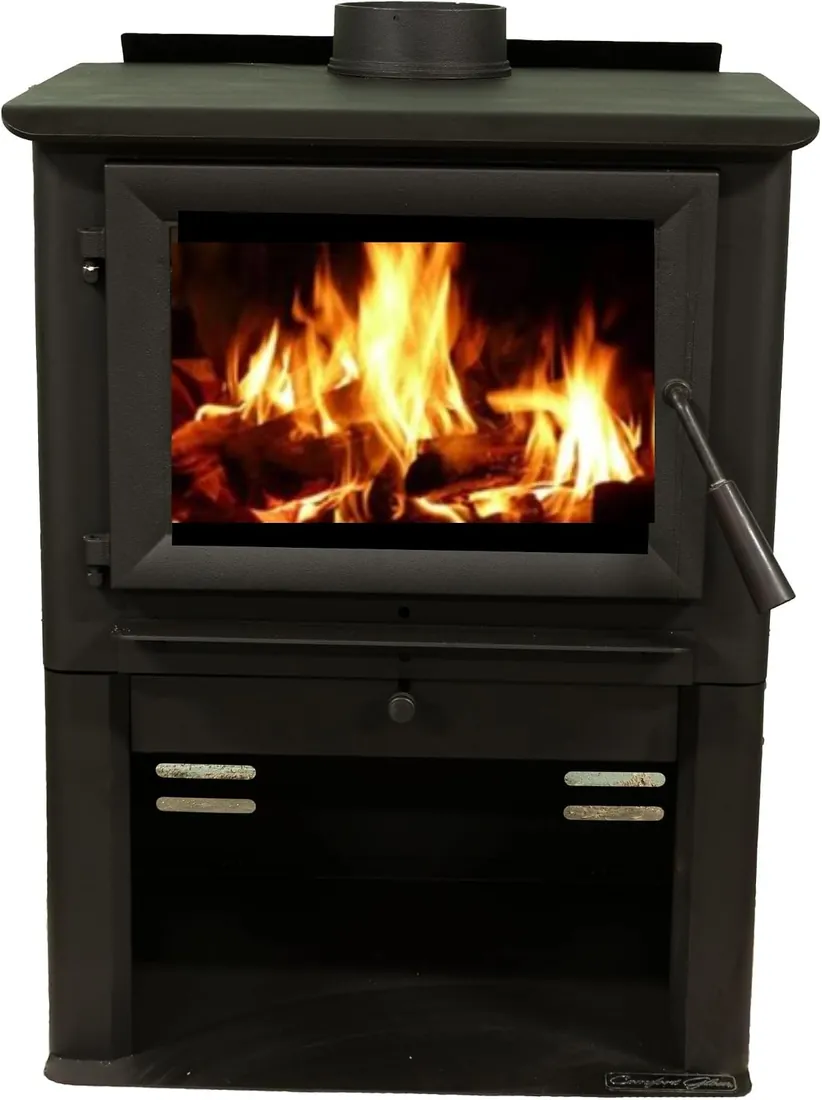
Comfort Glow CGWS2500 Wood Stove
2,500 sq ft · 112,800 BTU/h